
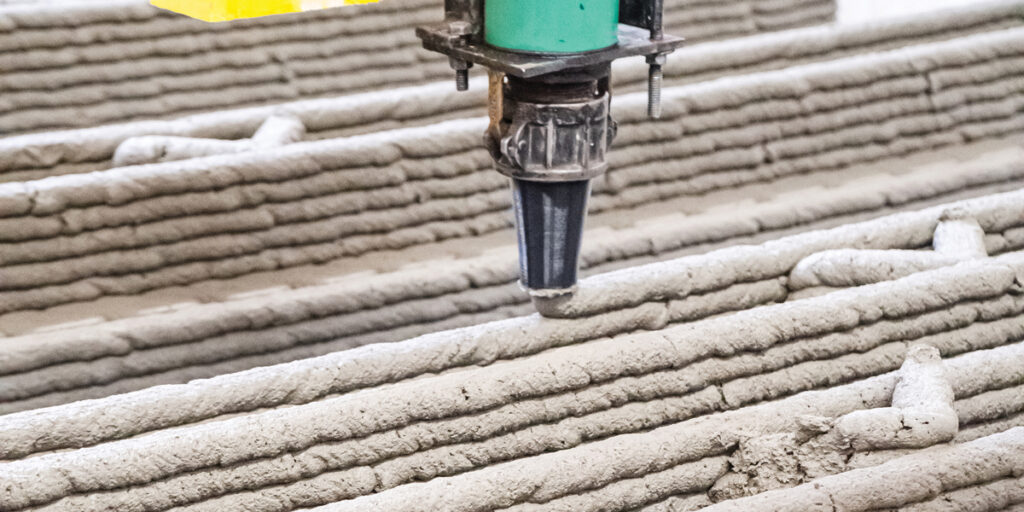
3D printing in construction is transforming how buildings and infrastructure are designed, produced, and delivered. As the construction industry faces growing pressure to reduce costs, improve efficiency, and address sustainability challenges, 3D printing in construction has emerged as a powerful solution. This technology introduces new methods for creating structural components and entire buildings with unprecedented speed and precision.
The rise of 3D printing in construction reflects a broader shift toward digitalization and automation across the built environment. By leveraging computer-controlled fabrication and advanced materials, construction firms can reduce waste, streamline workflows, and enhance design flexibility. These advantages are particularly valuable in an industry traditionally known for labor-intensive processes and long project timelines.
As 3D printing in construction continues to evolve, it is reshaping expectations around project delivery, affordability, and environmental impact. From residential housing to large-scale infrastructure, this innovative approach is influencing how stakeholders think about building the future while balancing cost, quality, and sustainability.
Understanding 3D Printing in Construction
3D printing in construction, also known as additive manufacturing in the building sector, involves creating structures layer by layer using digital models. Unlike conventional construction methods that rely on subtractive processes and standardized components, 3D printing enables customized designs to be produced directly from digital files. This approach allows architects and engineers to experiment with complex geometries that are difficult or costly to achieve using traditional techniques.
The core process typically involves a large-scale 3D printer that extrudes materials such as concrete, mortar, or specialized composites. These materials are deposited in precise patterns to form walls, foundations, and structural elements. In some cases, prefabricated components are printed off-site and assembled on location, while other projects involve on-site printing of entire structures.
By integrating design, engineering, and construction into a single workflow, 3D printing in construction reduces the gap between concept and completion. This integration supports better collaboration among project teams and minimizes errors that often occur during manual construction processes.
Key Technologies Driving Innovation
Several technologies underpin the growth of 3D printing in construction. Advanced robotics, computer-aided design software, and material science innovations work together to enable reliable and scalable printing processes. These technologies ensure accuracy, repeatability, and structural integrity in printed components.
Robotic arms and gantry-based systems are commonly used to control the printing process. These systems are programmed to follow precise paths, ensuring consistent layer placement and dimensional accuracy. Meanwhile, software tools allow designers to simulate printing outcomes, optimize material usage, and identify potential issues before construction begins.
Material innovation is another critical factor. Specialized concrete mixes, reinforced polymers, and hybrid materials are being developed to meet structural and environmental requirements. The challenge lies in balancing strength, durability, and printability, as materials must flow smoothly through printing systems while maintaining long-term performance.
Benefits of 3D Printing in Construction
One of the most significant advantages of 3D printing in construction is speed. Traditional construction projects can take months or even years to complete, whereas 3D printing can significantly reduce build times. Automated processes operate continuously, minimizing delays caused by labor shortages or weather conditions.
Cost efficiency is another major benefit. By reducing labor requirements and material waste, 3D printing in construction can lower overall project costs. Precise material deposition ensures that only the necessary amount of material is used, which helps control expenses and reduce environmental impact.
Design flexibility further enhances the appeal of this technology. Architects can create complex, customized structures without significantly increasing costs. This flexibility supports innovative design solutions tailored to specific site conditions, user needs, and aesthetic preferences.
Sustainability and Environmental Impact
Sustainability is a central consideration in modern construction, and 3D printing in construction offers several environmental advantages. Reduced material waste is one of the most immediate benefits. Traditional construction often generates excess waste due to cutting, shaping, and errors, whereas additive manufacturing uses materials more efficiently.
Energy efficiency is also improved through optimized designs and streamlined processes. Printed structures can incorporate insulation, airflow channels, and other features directly into the design, enhancing building performance. These features contribute to lower energy consumption over the building’s lifecycle.
However, sustainability in 3D printing in construction requires careful material selection. While concrete-based materials are commonly used, they still have a carbon footprint. Ongoing research focuses on developing eco-friendly materials, including recycled aggregates and bio-based composites, to further reduce environmental impact.
Applications Across the Construction Sector
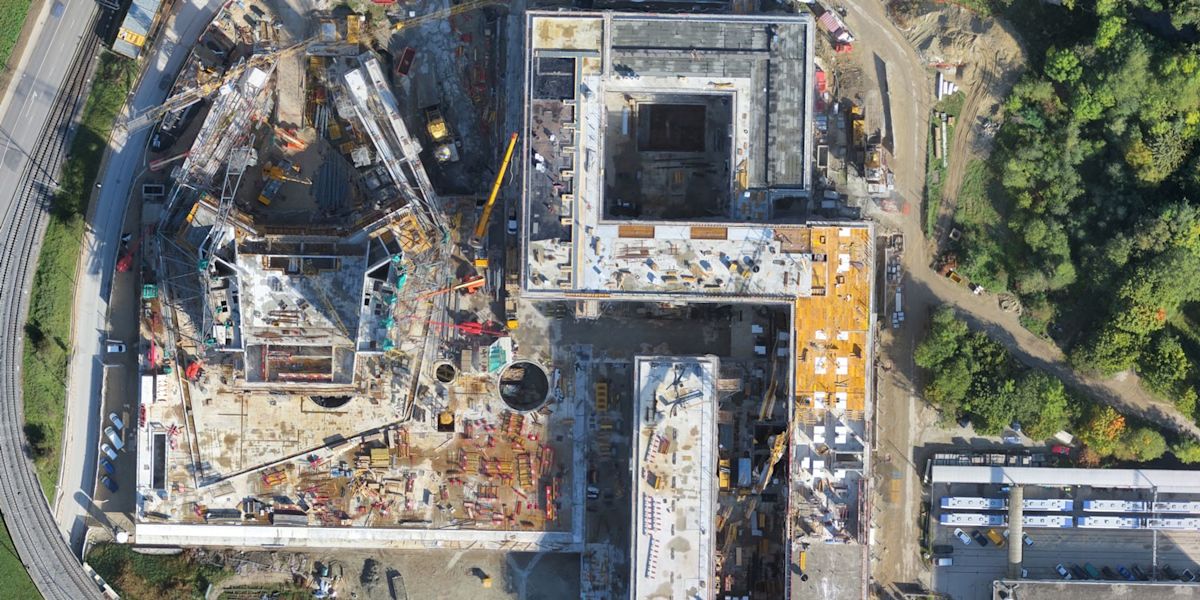
3D printing in construction is being applied across a wide range of projects, from small residential units to large infrastructure developments. In housing, this technology is helping address affordability and supply challenges by enabling rapid production of durable homes. Printed houses can be constructed in days rather than months, making them suitable for emergency housing and large-scale residential developments.
Tradeoffs and Design Considerations
While the benefits are substantial, 3D printing in construction involves important tradeoffs. Initial investment in equipment and training can be significant, especially for small and medium-sized firms. Adopting this technology requires a shift in mindset and workflows, which may pose challenges for organizations accustomed to conventional practices.
Design freedom must also be balanced with structural requirements and regulatory compliance. Innovative designs may require additional testing and approval to ensure safety and durability. Building codes and standards are still evolving to accommodate additive manufacturing, creating uncertainty for some projects.
Challenges Facing Adoption
Despite its promise, 3D printing in construction faces several challenges that influence adoption rates. Regulatory frameworks are one of the most significant barriers. Building codes, safety standards, and certification processes were developed for traditional construction methods and may not fully address additive manufacturing techniques.
Economic Implications for the Industry
The economic impact of 3D printing in construction extends beyond individual projects. By improving productivity and reducing costs, this technology has the potential to reshape industry economics. Faster project delivery can lead to quicker returns on investment and improved cash flow for developers.
At the same time, automation may alter labor dynamics within the construction sector. While some traditional roles may be reduced, new opportunities will emerge in areas such as digital design, equipment operation, and materials engineering. Balancing workforce transformation with social and economic considerations is an important aspect of responsible adoption.
Quality, Safety, and Performance
Quality assurance is a key concern in construction, and 3D printing introduces both opportunities and challenges in this area. Automated processes can enhance consistency and precision, reducing human error. Digital monitoring systems allow real-time tracking of printing parameters, ensuring adherence to design specifications.
Safety considerations must address both construction-site risks and long-term structural performance. While automated printing can reduce on-site hazards by limiting manual labor, proper safety protocols are still necessary. Long-term durability testing is essential to validate the performance of printed structures under various environmental conditions.
The Role of Innovation and Collaboration
Innovation in 3D printing in construction thrives on collaboration across disciplines. Architects, engineers, material scientists, and construction professionals must work together to develop integrated solutions. This collaborative approach encourages knowledge sharing and accelerates problem-solving.
Partnerships between public and private sectors also play a vital role. Government-supported pilot projects and research initiatives can help demonstrate feasibility, address regulatory challenges, and build public confidence. These efforts contribute to a supportive ecosystem for additive manufacturing in construction.
Future Outlook for 3D Printing in Construction
The future of 3D printing in construction is closely tied to ongoing technological advancements and market acceptance. As equipment becomes more affordable and materials more versatile, adoption is expected to increase across regions and project types. Integration with other digital technologies, such as building information modeling and artificial intelligence, will further enhance efficiency and decision-making.
Sustainability goals will also influence future developments. The demand for low-carbon construction solutions aligns well with the efficiency and material optimization offered by additive manufacturing. Continued research into sustainable materials will strengthen this alignment.
Ultimately, the long-term success of 3D printing in construction depends on balancing innovation with practicality. By addressing challenges related to regulation, workforce development, and scalability, the industry can unlock the full potential of this transformative technology.
Conclusion
3D printing in construction represents a significant shift in how buildings and infrastructure are created. Its ability to improve speed, reduce costs, and enhance design flexibility makes it an attractive option for addressing modern construction challenges. At the same time, careful consideration of tradeoffs, regulatory requirements, and workforce implications is essential for responsible adoption.