
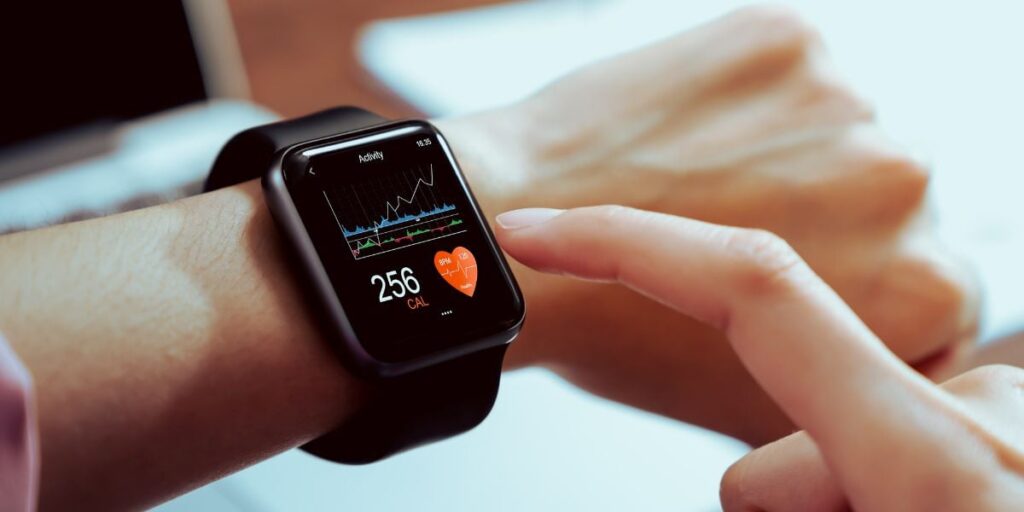
Wearable health tracking devices have become an integral part of personal wellness management. These compact, intelligent gadgets allow individuals to monitor their physical activity, heart rate, sleep quality, and even stress levels in real time. From fitness enthusiasts to patients managing chronic conditions, wearable health tracking devices are reshaping how people understand and take charge of their health. The increasing popularity of wearable health tracking devices reflects a growing shift toward preventive healthcare and data-driven decision-making.
The concept of health monitoring through technology is not new, but the evolution of wearable health tracking devices has brought unprecedented accessibility and accuracy. These devices empower users to make informed lifestyle choices by offering insights derived from continuous physiological monitoring. Whether worn on the wrist, clipped to clothing, or integrated into smart clothing, wearable health tracking devices are transforming wellness management from a reactive to a proactive approach.
The Evolution of Wearable Health Tracking Devices
The journey of wearable health tracking devices began with simple pedometers that counted steps. Over time, technological advancements introduced more sophisticated tools capable of monitoring multiple health parameters simultaneously. Modern devices now feature heart rate sensors, blood oxygen level detectors, GPS tracking, and even electrocardiogram (ECG) functionality.
Tech giants like Apple, Fitbit, Samsung, and Garmin have invested heavily in this field, driving innovation through sleek designs, improved battery life, and advanced data analytics. Moreover, with the integration of artificial intelligence (AI) and machine learning, wearable health tracking devices can now predict potential health issues, suggest personalized fitness routines, and even detect irregular heart rhythms.
This evolution has positioned wearable health tracking devices as essential tools in both fitness and healthcare sectors. They are no longer limited to tracking workouts; instead, they are helping individuals and healthcare professionals detect patterns, monitor recovery, and manage chronic diseases more effectively.
Key Features of Modern Wearable Health Tracking Devices
Modern wearable health tracking devices offer a range of sophisticated features designed to enhance health and wellness management.
Real-Time Monitoring
One of the defining features of wearable health tracking devices is real-time health monitoring. Users can instantly view data such as heart rate, steps taken, calories burned, and active minutes. This immediate feedback encourages individuals to stay active and maintain healthy habits throughout the day.
Sleep Tracking and Recovery Insights
Sleep quality plays a critical role in overall well-being. Advanced wearable health tracking devices analyze sleep stages—light, deep, and REM sleep—to provide users with insights into their nightly rest patterns. Many devices also offer tips for improving sleep hygiene and managing fatigue.
Heart Rate and Stress Management
Heart rate variability (HRV) is a key indicator of stress and recovery. By continuously monitoring HRV, wearable health tracking devices can detect signs of stress and prompt users to engage in relaxation techniques such as breathing exercises. This capability makes them valuable tools for mental as well as physical wellness.
Integration with Mobile Apps and Cloud Services
Most wearable health tracking devices connect seamlessly to mobile applications and cloud platforms. These integrations allow users to store, analyze, and share data with healthcare providers or trainers. Some systems even generate health reports automatically, providing a comprehensive view of personal wellness trends.
Customization and Smart Alerts
Personalization is another strength of modern wearable health tracking devices. Users can customize alerts for inactivity, hydration reminders, or medication schedules. Smart notifications ensure that health goals remain top of mind throughout the day.
Benefits of Wearable Health Tracking Devices
The widespread adoption of wearable health tracking devices stems from their ability to empower individuals with actionable health data.
Promoting Preventive Healthcare
By providing continuous insights into physical activity, heart health, and sleep quality, wearable health tracking devices encourage early detection of potential health issues. For instance, irregular heart rate alerts have been instrumental in identifying cardiac conditions before symptoms escalate.
Encouraging Healthy Habits
Tracking daily metrics such as steps and calories helps users stay motivated. Many wearable health tracking devices include gamification features—like achievement badges or challenges—that promote consistency in physical activity and fitness routines.
Supporting Chronic Disease Management

For individuals with chronic conditions such as diabetes or hypertension, wearable health tracking devices offer valuable assistance. Some devices can monitor glucose levels, while others track blood pressure trends. These insights help both patients and doctors make timely and informed decisions.
Enhancing Athletic Performance
Athletes and fitness enthusiasts use wearable health tracking devices to optimize performance. Data from heart rate zones, VO₂ max, and recovery times enables tailored training regimens, reducing the risk of overtraining and injury.
The Role of Data Analytics in Wearable Health Tracking
Behind every wearable health tracking device lies a powerful data analytics system. These platforms analyze enormous volumes of biometric data to provide meaningful insights. AI algorithms can detect subtle changes in physiological patterns, flag potential health risks, and suggest lifestyle modifications.
Healthcare professionals also benefit from this data. Continuous health tracking facilitates remote patient monitoring, allowing doctors to make evidence-based recommendations without requiring frequent in-person visits. This capability is especially valuable in post-operative care and chronic disease management.
However, with great data collection comes great responsibility. Privacy and data security remain central concerns in the use of wearable health tracking devices. Manufacturers and regulators must ensure that sensitive health data is protected against breaches and misuse.
Challenges in the Adoption of Wearable Health Tracking Devices
Despite their numerous advantages, health wearables tracking devices face several challenges that impact their widespread adoption.
Data Privacy and Security Risks
Users often share sensitive health data through connected apps and cloud platforms. Ensuring end-to-end encryption, transparent privacy policies, and user consent management are critical for maintaining trust. The healthcare industry continues to debate how to balance data utility with privacy protection.
Accuracy and Reliability Issues
While most health wearables tracking devices are designed with advanced sensors, not all provide clinically accurate results. Variations in sensor placement, skin tone, or movement can affect readings. For medical-grade monitoring, device calibration and validation remain key challenges.
Cost and Accessibility
High-end health wearables tracking devices can be expensive, limiting accessibility for some populations. As healthcare becomes increasingly digitized, ensuring affordability and inclusivity will be essential to realizing the full potential of wearable technology.
Over-Reliance on Technology
There’s a growing concern that users may become overly dependent on their health wearables tracking devices, interpreting data without professional guidance. This reliance can sometimes lead to anxiety or misinterpretation of normal physiological fluctuations.
The Future of Wearable Health Tracking Devices
The future of health wearables tracking devices looks promising, driven by advancements in AI, biosensing, and the Internet of Things (IoT). Next-generation wearables are expected to feature non-invasive glucose monitoring, hydration tracking, and even early disease detection capabilities.
Furthermore, as healthcare systems move toward value-based care, health wearables tracking devices will play a critical role in remote patient monitoring and telemedicine. They can reduce hospital visits, lower healthcare costs, and improve patient outcomes through continuous, real-time data sharing.
Innovations in materials science are also contributing to the development of flexible and skin-like sensors. These future devices may blend seamlessly with the human body, offering comfort and precision like never before.
Balancing Technology and Human Insight
While health wearables tracking devices provide immense value, it’s important to balance technology with human judgment. Data alone cannot replace medical expertise or emotional well-being. Users should view these devices as tools for empowerment rather than diagnostic instruments.
Healthcare providers and technologists must work together to ensure that data from health wearables tracking devices is interpreted accurately and used responsibly. Collaboration between medical professionals and device manufacturers can bridge the gap between consumer technology and clinical application.
The Broader Impact on Public Health
The proliferation of health wearables tracking devices is reshaping public health strategies. Aggregated, anonymized data can help governments and researchers identify population-level trends, such as activity patterns or stress levels across regions. Such insights can inform public health campaigns and preventive interventions.
Moreover, during global health crises, wearable devices can assist in early detection of symptoms and real-time monitoring of at-risk individuals. Their scalability makes them a powerful tool in community health management.
Conclusion
Wearable health tracking devices represent a remarkable convergence of healthcare and technology. They have transformed wellness from a passive pursuit into an interactive, data-driven experience. By offering real-time monitoring, personalized insights, and preventive health capabilities, these devices are helping individuals take control of their well-being like never before.
However, to fully harness their potential, stakeholders must address challenges related to privacy, accuracy, and accessibility. When balanced thoughtfully, health wearables devices can serve as powerful allies in promoting everyday wellness and shaping a healthier, more connected future.