

Predictive customer analytics has become an essential tool for modern businesses seeking to understand and anticipate customer behavior. By leveraging historical data, statistical algorithms, and machine learning models, companies can forecast future trends and make smarter strategic choices. Whether it’s predicting customer churn, optimizing marketing campaigns, or enhancing user experience, predictive customer analytics allows organizations to stay one step ahead of their audience.
The growing importance of predictive customer analytics stems from the digital transformation of industries worldwide. With data being generated at unprecedented rates, organizations must extract meaningful insights to remain competitive. Predictive models use this data to forecast outcomes, helping businesses make proactive decisions rather than reactive ones.
By combining analytics with customer-centric strategies, businesses can personalize their marketing, improve retention, and boost profitability. In a market where consumer expectations are constantly evolving, predictive customer analytics serves as the foundation for creating intelligent, adaptive, and customer-focused enterprises.
Understanding Predictive Customer Analytics
Predictive customer analytics is the process of using historical and real-time data to predict future customer behaviors, preferences, and purchasing patterns. It employs statistical techniques, artificial intelligence (AI), and machine learning (ML) to analyze trends and forecast outcomes.
At its core, predictive analytics answers critical questions such as:
- Which customers are most likely to churn?
- What products will appeal to specific segments?
- How can marketing efforts be optimized for better ROI?
Through these insights, organizations can tailor their strategies to meet customer needs more effectively and allocate resources efficiently. Predictive customer analytics thus transforms data into actionable intelligence that drives measurable results.
The Role of Data in Predictive Analytics
The success of predictive customer analytics depends on data—its quality, volume, and relevance. Businesses collect data from multiple touchpoints, including websites, mobile apps, CRM systems, and social media platforms. This data encompasses demographic information, purchase history, browsing patterns, and customer feedback.
However, not all data is valuable. Data must be cleaned, structured, and validated to ensure accuracy. Poor-quality data can lead to flawed predictions and misguided decisions. Therefore, establishing a solid data governance framework is crucial.
Advanced tools in predictive customer analytics now leverage big data technologies, enabling organizations to process massive datasets in real time. This ensures that predictions are not only accurate but also timely—an essential factor in today’s fast-paced business environment.
Key Techniques in Predictive Customer Analytics
Predictive customer analytics employs several sophisticated techniques to forecast outcomes and identify patterns.
Regression Analysis:
This statistical method identifies relationships between variables, helping businesses understand how changes in one factor influence another. For instance, regression models can reveal how customer income levels affect purchasing behavior.
Classification Models:
These models categorize customers based on attributes such as loyalty, purchase frequency, or risk of churn. Decision trees, random forests, and neural networks are commonly used in classification-based analytics.
Clustering:
Clustering groups customers with similar characteristics, allowing for targeted marketing and personalized product recommendations. By identifying clusters, businesses can tailor offers and messages to specific audience segments.
Time Series Analysis:
This technique predicts trends based on historical data patterns over time. Retailers, for example, use time series models to forecast seasonal demand or sales peaks.
Machine Learning Algorithms:
Machine learning enhances predictive customer analytics by continuously improving model accuracy through data training. Algorithms like gradient boosting, support vector machines, and deep learning are widely applied for high-precision predictions.
Benefits of Predictive Customer Analytics
The integration of predictive customer analytics offers a range of benefits that significantly impact business performance.
Enhanced Customer Retention:
By identifying customers likely to churn, organizations can implement targeted retention strategies, such as loyalty programs or personalized incentives.
Improved Marketing ROI:
Predictive models help optimize marketing campaigns by determining the best timing, channels, and messages for specific customer segments, thereby maximizing return on investment.
Personalized Customer Experiences:
Predictive analytics enables hyper-personalization by anticipating customer preferences. This leads to tailored recommendations, improved satisfaction, and stronger brand loyalty.
Efficient Resource Allocation:
Businesses can focus their efforts and budgets on high-value customers and promising leads, ensuring better utilization of resources.
Revenue Growth:
By anticipating customer needs, organizations can introduce products or services that align with market demand, resulting in higher sales and profitability.
Applications of Predictive Customer Analytics Across Industries
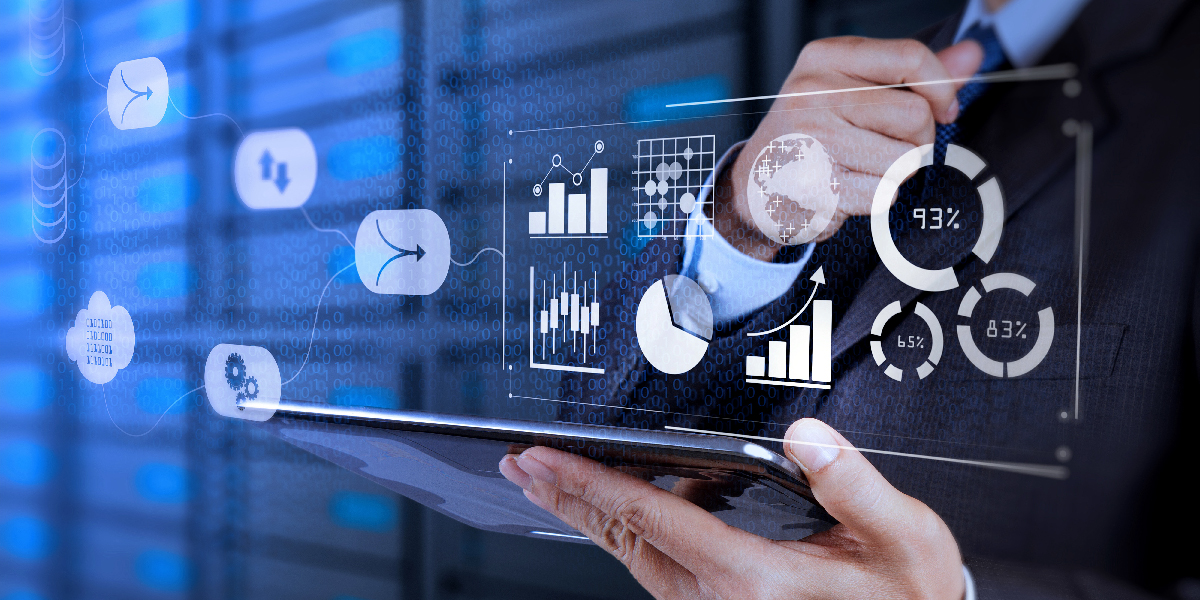
The impact of predictive customer analytics spans multiple sectors, transforming how businesses interact with their customers.
Retail and E-Commerce:
Retailers use predictive analytics to forecast demand, optimize pricing strategies, and personalize product recommendations. By predicting purchasing patterns, businesses can manage inventory efficiently and reduce stockouts or overstocking.
Banking and Finance:
Financial institutions rely on predictive analytics for fraud detection, credit scoring, and customer segmentation. By identifying risky transactions or potential defaulters early, banks can mitigate losses and improve decision-making.
Healthcare:
In healthcare, predictive analytics helps providers anticipate patient needs, prevent readmissions, and recommend personalized treatment plans. It improves patient outcomes while optimizing operational efficiency.
Telecommunications:
Telecom companies use predictive customer analytics to identify customers likely to switch providers. By understanding churn drivers, they can design retention campaigns and enhance service quality.
Travel and Hospitality:
Airlines and hotels apply predictive models to forecast booking trends, set dynamic pricing, and deliver customized offers to frequent travelers.
The Role of AI and Machine Learning
Artificial intelligence (AI) and machine learning (ML) are the driving forces behind modern predictive customer analytics. These technologies enable predictive models to analyze vast amounts of structured and unstructured data, uncovering hidden patterns that human analysts might miss.
AI-powered systems continuously learn from new data, refining their predictions over time. This adaptive capability is particularly valuable in dynamic industries such as retail and finance, where customer behavior changes rapidly.
Moreover, AI enhances automation in analytics, reducing manual effort and minimizing human error. Businesses can now deploy real-time predictive dashboards that update automatically, providing actionable insights for instant decision-making.
Tradeoffs and Challenges in Predictive Analytics
While predictive customer analytics offers tremendous potential, it also presents challenges that organizations must navigate carefully.
Data Privacy and Ethics:
The use of personal customer data raises privacy concerns. Companies must comply with data protection regulations like GDPR and ensure transparent data practices. Balancing personalization with ethical responsibility remains a critical tradeoff.
Model Accuracy vs. Interpretability:
Complex models, such as deep learning algorithms, offer high accuracy but can be difficult to interpret. Businesses must decide between transparent, explainable models and opaque, high-performing ones.
Data Quality:
Poor-quality data leads to unreliable predictions. Maintaining clean, consistent, and comprehensive datasets is essential for accuracy.
Integration Complexity:
Integrating predictive analytics into existing business systems can be technically challenging, especially for organizations with legacy infrastructure.
Cost Considerations:
Implementing and maintaining advanced analytics solutions requires significant investment in technology and talent. However, the long-term benefits often outweigh the initial costs.
Measuring the Success of Predictive Customer Analytics
The effectiveness of predictive customer analytics can be evaluated using several key performance indicators (KPIs).
- Customer Retention Rate: A higher retention rate indicates successful churn prediction and proactive engagement.
- Conversion Rate: Increased conversion from predictive targeting demonstrates effective marketing optimization.
- Customer Lifetime Value (CLV): Predictive analytics enhances CLV by identifying profitable segments and upsell opportunities.
- Campaign ROI: Monitoring the financial return on data-driven campaigns helps quantify the value of predictive insights.
- Accuracy of Predictions: Comparing predicted outcomes with actual results provides feedback for model refinement.
Regularly monitoring these metrics ensures continuous improvement and maximizes the strategic impact of analytics initiatives.
The Future of Predictive Customer Analytics
The future of predictive customer insights lies in deeper integration with advanced technologies such as AI-driven automation, blockchain, and real-time analytics.
Real-Time Decisioning:
Future predictive systems will enable instant responses to customer actions. For instance, an online retailer might automatically offer a discount when a customer hesitates at checkout.
Integration with IoT:
With the Internet of Things (IoT), predictive analytics will harness data from connected devices to forecast consumer needs more accurately—such as predicting when a customer’s appliance requires maintenance or replacement.
Emotion and Sentiment Analysis:
AI-driven sentiment analysis will allow businesses to gauge customer emotions from social media and feedback, refining predictive models to align with real-time sentiment.
Ethical AI:
As AI becomes more pervasive, the emphasis on ethical, transparent, and bias-free predictive systems will grow stronger. This will ensure trust and compliance in customer data usage.
Balancing Human Expertise and Automation
Although automation and AI drive predictive customer insights , human insight remains indispensable. Data scientists and business strategists interpret predictive outputs within a broader context, aligning them with organizational goals.
Human judgment adds creativity, empathy, and strategic thinking—qualities that algorithms cannot replicate. The synergy between machine intelligence and human expertise results in more balanced and effective decision-making.
Organizations that cultivate cross-functional collaboration between data teams and business units are best positioned to harness the full potential of predictive analytics.
Conclusion
Predictive customer analytics represents a transformative force in modern business strategy. By converting vast amounts of customer data into foresight, it empowers companies to anticipate needs, personalize experiences, and optimize marketing performance.
While challenges such as data privacy and integration persist, advancements in AI, automation, and data science continue to make predictive analytics more accessible and accurate. Businesses that embrace these technologies gain a distinct competitive advantage—improving efficiency, increasing customer satisfaction, and driving long-term growth.
In an increasingly competitive marketplace, predictive customer insights is not just a trend—it’s a necessity. It enables organizations to move from reactive to proactive decision-making, turning data into a strategic asset that fuels innovation and success.