
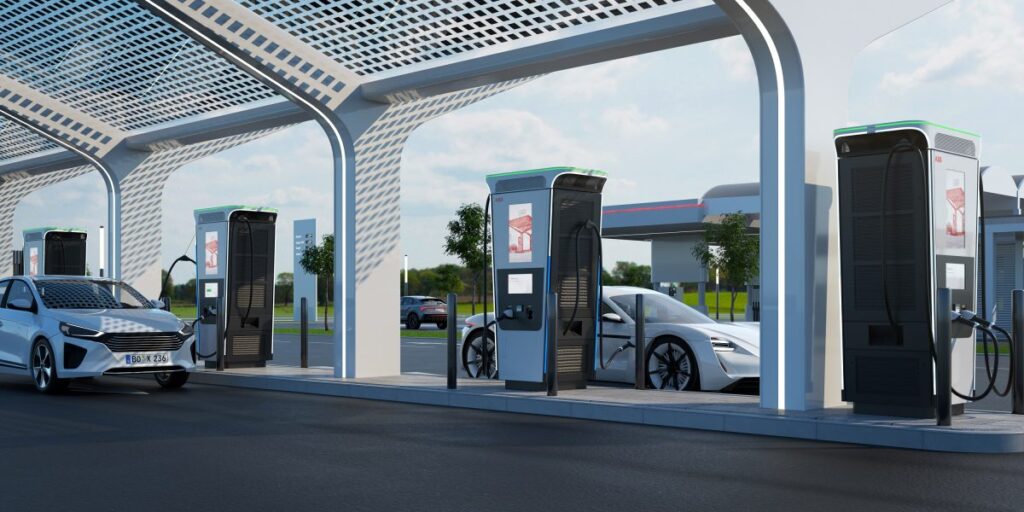
Electric vehicle charging stations have become a cornerstone of modern transportation as the world increasingly shifts toward cleaner, more sustainable mobility solutions. The rising adoption of electric vehicles (EVs) is fueled not only by environmental awareness but also by technological advancements that make EVs more efficient and affordable. For drivers, the availability and accessibility of electric vehicle charging stations are critical considerations when purchasing an EV, as they determine how convenient long trips and daily commutes will be.
Locating reliable electric vehicle charging stations near you can greatly influence the practicality of owning an EV. The presence of these stations ensures that your vehicle can be charged safely and efficiently, reducing downtime and enabling a seamless driving experience. Understanding the different types of charging stations and their capabilities is essential for making informed decisions about EV usage.
The infrastructure supporting electric vehicle charging stations has grown rapidly, reflecting both public and private investment in clean energy. From residential chargers to high-speed public stations, the range of options available caters to diverse driving habits. Drivers now have access to charging networks that are strategically placed in urban areas, highways, shopping centers, and workplaces, offering the convenience and reliability required for modern travel.
Types of Electric Vehicle Charging Stations
Electric vehicle charging stations are categorized based on their speed and charging technology. Level 1 chargers are the most basic, often using standard household outlets and offering slow charging. While convenient for overnight charging at home, Level 1 chargers are not practical for long-distance travel due to their extended charging times.
Level 2 charging stations offer faster charging through higher voltage connections, commonly installed at workplaces, commercial spaces, and public parking areas. These stations are ideal for drivers who spend several hours parked, such as employees or shoppers. The widespread deployment of Level 2 chargers has become a key factor in encouraging EV adoption, as they balance charging speed and accessibility effectively.
DC fast chargers represent the cutting edge of electric vehicle charging stations, enabling rapid energy replenishment in a matter of minutes rather than hours. These stations are typically located along major highways and travel corridors, allowing drivers to undertake long-distance trips without significant delays. The integration of DC fast chargers into national and regional networks has addressed one of the primary challenges of EV ownership: range anxiety.
Factors Affecting the Availability of Charging Stations
Several factors influence the availability and efficiency of electric vehicle charging stations. Urban density plays a significant role, as cities with higher populations tend to have more robust charging networks. This ensures that a greater number of drivers can access stations conveniently without overcrowding or long wait times.
Investment in infrastructure by both government agencies and private companies also affects the proliferation of electric vehicle charging stations. Policies that support subsidies, tax incentives, and grants encourage the expansion of charging networks, particularly in underserved areas. Conversely, regions with limited investment may experience slower growth in station availability, impacting the overall adoption of EVs.
Technological compatibility is another consideration. Different EV models may require specific charging connectors or voltage levels, making it important for stations to offer standardized solutions. Ensuring interoperability across networks prevents inconvenience and promotes widespread adoption by providing drivers with confidence that they can charge their vehicle at any available station.
Benefits of Electric Vehicle Charging Stations
Electric vehicle charging stations offer a multitude of benefits beyond simple convenience. By supporting the adoption of electric vehicles, these stations contribute directly to reducing greenhouse gas emissions and air pollution. As transportation remains a leading source of carbon emissions, expanding access to EV charging infrastructure plays a pivotal role in global sustainability efforts.
Economic benefits are also notable. The growth of charging networks stimulates job creation, including roles in manufacturing, installation, maintenance, and software management. Local economies can benefit from increased EV-related activity, attracting businesses and consumers who prioritize environmentally responsible practices.
Furthermore, the presence of reliable electric vehicle charging stations enhances energy resilience. Many modern stations integrate renewable energy sources such as solar and wind, reducing dependence on fossil fuels and lowering operational costs. Energy storage systems associated with charging stations can also support grid stability, providing an additional layer of value to communities.
Challenges in Establishing Charging Infrastructure
Despite the benefits, establishing electric vehicle charging stations comes with challenges. High upfront costs for installation, particularly for DC fast chargers, can be a barrier for small businesses or municipalities. Site selection, electrical capacity, and regulatory compliance add layers of complexity that require careful planning and coordination.
Balancing the placement of charging stations to meet both urban and rural needs is another challenge. While cities benefit from high traffic volumes, rural areas often have longer distances between charging points, which can limit accessibility for drivers. Strategically expanding networks to ensure comprehensive coverage is essential to addressing these disparities.
Maintenance and technological upgrades also present ongoing challenges. Charging stations require regular monitoring, software updates, and component replacement to ensure reliability. Operators must anticipate evolving EV technology to future-proof their infrastructure, which can be a continuous investment burden.
Strategic Planning for Charging Networks
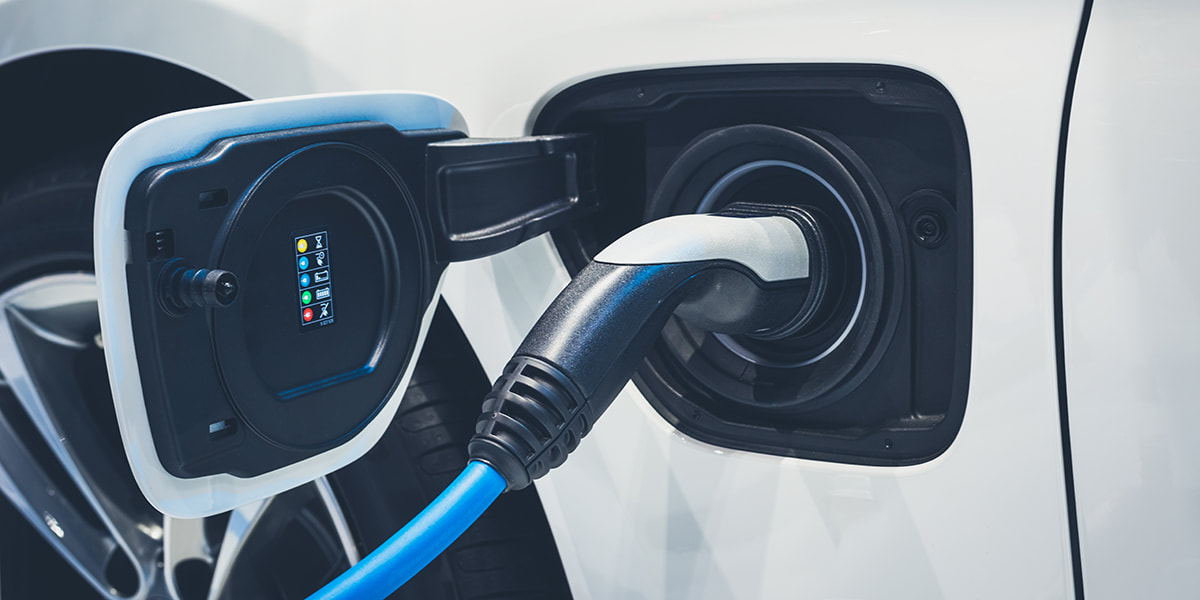
Effective deployment of electric vehicle charging stations requires strategic planning based on usage patterns, geographic distribution, and technological capabilities. Data-driven approaches allow planners to anticipate demand and identify high-traffic areas that will maximize utilization. For instance, commuter corridors, shopping districts, and tourist destinations often experience the highest charging demand.
Collaborations between governments, utility companies, and private operators have proven effective in expanding charging networks. Public-private partnerships can help distribute costs and risks while leveraging expertise in infrastructure development and energy management. Incentive programs, grants, and tax credits further accelerate the establishment of new stations and promote equitable access.
Energy management is another critical component. Charging stations must integrate effectively with the power grid to prevent overload and ensure stability. Smart charging solutions, which allow dynamic adjustment of charging speeds based on demand and grid conditions, are increasingly adopted to balance energy use efficiently.
Consumer Considerations When Using Charging Stations
For EV owners, several considerations affect the choice of electric vehicle charging stations. Accessibility is paramount; drivers prefer stations that are conveniently located and offer multiple charging points to minimize wait times. The reliability of stations, including uptime and maintenance, directly influences user satisfaction.
Charging speed and compatibility with the vehicle model are equally important. While fast chargers are ideal for long trips, Level 2 chargers are sufficient for daily use and can be cost-effective alternatives. Drivers must also consider payment options, membership requirements, and mobile app functionality for seamless access.
Safety is a fundamental concern as well. Electric vehicle charging stations are designed to meet stringent safety standards, but users should be aware of environmental conditions, electrical load capacity, and proper handling procedures. Awareness of these factors ensures that charging is both safe and efficient.
The Role of Technology in Enhancing Charging Stations
Technological innovation continues to shape the future of electric vehicle charging stations. Smart chargers equipped with sensors, mobile connectivity, and real-time monitoring enhance convenience and efficiency. Drivers can locate available stations, reserve charging slots, and receive updates on charging progress through mobile applications.
Integration with renewable energy sources is another growing trend. Solar-powered charging stations reduce reliance on traditional electricity grids and contribute to sustainability goals. Battery storage systems associated with these stations enable energy to be stored during off-peak hours and used when demand is high, balancing the grid and reducing operational costs.
Artificial intelligence and predictive analytics are increasingly employed to optimize station performance. By analyzing usage patterns, these systems can anticipate demand surges, allocate energy resources efficiently, and improve maintenance scheduling. This proactive approach enhances reliability and maximizes the value of infrastructure investments.
Environmental and Social Impacts
Electric vehicle charging stations play a significant role in promoting environmental sustainability. By facilitating the transition from internal combustion engines to electric mobility, they reduce carbon emissions, particulate matter, and noise pollution. This contributes to cleaner air, healthier communities, and compliance with climate targets.
Socially, the expansion of charging networks enhances mobility equity. Ensuring that stations are accessible to all communities, including underserved and rural areas, helps democratize the benefits of electric transportation. Equitable infrastructure deployment also encourages adoption across diverse demographic groups, supporting a broader cultural shift toward sustainable living.
Future Trends in Electric Vehicle Charging Stations
The future of electric vehicle charging stations is closely linked to advancements in battery technology, vehicle range, and grid management. Ultra-fast chargers capable of replenishing batteries in under 10 minutes are already in development, promising to revolutionize long-distance travel for EV owners.
Wireless charging and automated docking systems are emerging trends that enhance convenience by eliminating the need for manual connection. These innovations may reduce wear on connectors, increase charging efficiency, and attract more users to electric vehicles.
Energy integration will continue to evolve, with charging stations increasingly serving as distributed energy hubs. Coupled with renewable generation, energy storage, and smart grid connectivity, these stations will support broader energy sustainability goals while providing reliable service to drivers.
Conclusion
Electric vehicle charging stations are more than just points to recharge a vehicle—they represent a vital component of the transition to sustainable transportation. The accessibility, reliability, and technological sophistication of these stations directly influence the adoption of electric vehicles and the environmental impact of our transportation systems.
Investments in charging infrastructure, combined with strategic planning and innovative technology, are shaping a future where EVs can travel longer distances safely and efficiently. By understanding the types of charging stations, the challenges of deployment, and the factors affecting usability, drivers and policymakers alike can make informed decisions that support both convenience and sustainability.
Ultimately, locating electric vehicle charging stations near you is not only about practicality but also about participating in a broader movement toward a cleaner, more efficient, and socially responsible transportation system. As the network of stations grows and technology evolves, EV ownership becomes increasingly feasible, providing drivers with the confidence to embrace a future powered by electricity.