
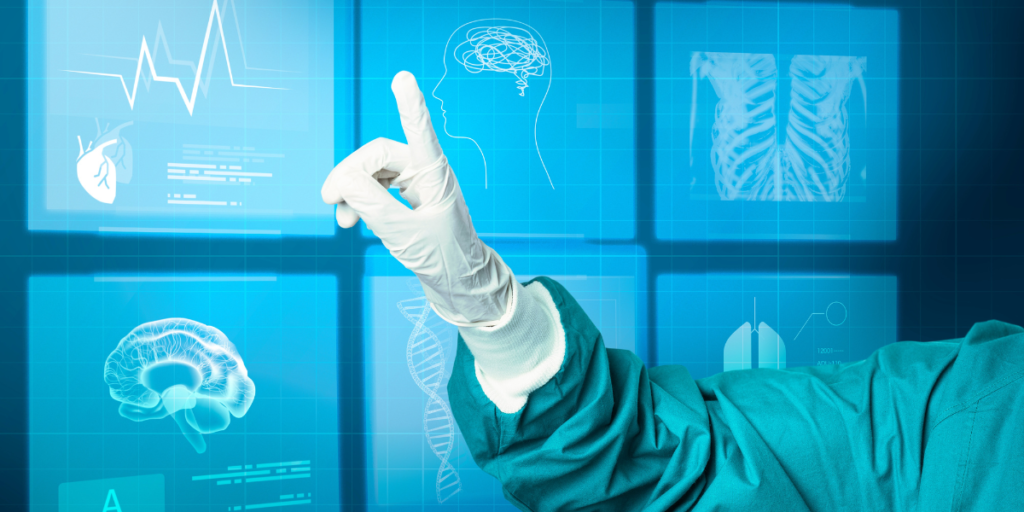
AI-powered diagnostics are reshaping the future of healthcare by enhancing accuracy, transforming clinical workflows, and supporting professionals in providing faster, more reliable patient care. As healthcare systems worldwide face increasing demand for precise and efficient medical evaluation, AI-powered diagnostics offer a powerful solution that integrates advanced algorithms with real-time data analysis. In the context of rapid technological change, AI-driven diagnostics have become a major driving force behind innovation, efficiency, and improved patient outcomes.
Today, AI-powered diagnostics play a central role in improving disease detection rates and reducing diagnostic variability. By leveraging machine learning models, deep neural networks, and predictive analytics, clinicians can analyze medical imaging, genetic data, lab reports, and patient histories more effectively. Because AI-powered diagnostics can process vast amounts of information quickly, they help reduce human error and support medical professionals in making informed decisions that directly impact patient health.
For healthcare organizations, AI-powered diagnostics bring both significant benefits and strategic challenges. The implementation process requires planning, infrastructure investment, and workforce adaptation. Still, the substantial improvements in accuracy, speed, and cost-effectiveness make AI-powered diagnostics essential to the digital transformation of modern healthcare systems. As medical institutions strive to provide equitable, reliable, and affordable care, the adoption of AI-powered diagnostics becomes increasingly essential.
Understanding the Role of AI in Modern Diagnostics
AI-powered diagnostics use machine learning and data-driven algorithms to detect patterns that may not be immediately visible to the human eye. These systems support healthcare professionals in diagnosing diseases earlier and more accurately, improving treatment success rates and reducing the likelihood of complications.
AI systems can interpret medical images, detect abnormalities, identify disease markers, and evaluate patient risk profiles. By integrating information from multiple sources—such as electronic health records, radiology images, and wearable devices—AI-driven diagnostics create a more comprehensive picture of patient health.
This capability is especially valuable in fields such as oncology, cardiology, neurology, and pathology, where early detection is crucial. By identifying subtle indicators of disease progression, AI enhances the precision of diagnostic processes, enabling clinicians to make timely and informed decisions.
Why AI-Powered Diagnostics Matter for Healthcare Providers
Healthcare providers are under growing pressure to deliver high-quality care despite limited resources. AI-powered diagnostics offer an effective way to meet this demand by supporting clinicians with data-driven insights that reduce uncertainty and enhance confidence in medical decision-making.
The technology improves diagnostic reliability by providing consistent, evidence-based interpretations of medical data. Unlike traditional methods that rely primarily on human evaluation, AI-driven diagnostics evaluate thousands of clinical variables at once, making them particularly effective in complex cases.
Additionally, AI systems reduce the workload for medical staff by automating routine tasks such as analyzing imaging scans or flagging abnormal lab results. This allows healthcare professionals to focus on more complex patient care tasks, improving efficiency and reducing burnout.
Key Capabilities of AI-Powered Diagnostic Tools
AI-powered diagnostics include a wide range of tools designed to address different clinical needs. Some of the most impactful capabilities include:
Medical Imaging Analysis
AI technologies excel at analyzing medical images such as X-rays, MRIs, CT scans, and ultrasounds. They can detect tumors, lesions, fractures, and internal abnormalities with remarkable precision. In many cases, AI is capable of identifying early-stage disease markers that human readers may overlook.
Predictive Analytics
By studying historical data and identifying risk patterns, AI-powered diagnostics help predict patient outcomes. This is particularly useful for chronic disease management, where early intervention can prevent complications.
Genomic and Molecular Data Interpretation
AI algorithms streamline the analysis of genetic sequences and molecular structures, enabling personalized treatment plans based on individual patient profiles.
Clinical Decision Support Systems
These AI tools provide clinicians with recommended treatment plans, diagnostic probabilities, and risk assessments, all derived from comprehensive datasets and evidence-based guidelines.
Real-Time Monitoring
Wearable technology combined with AI-driven diagnostics provides continuous monitoring of patient health, allowing early detection of abnormalities before they become severe.
Balancing Innovation and Clinical Responsibility
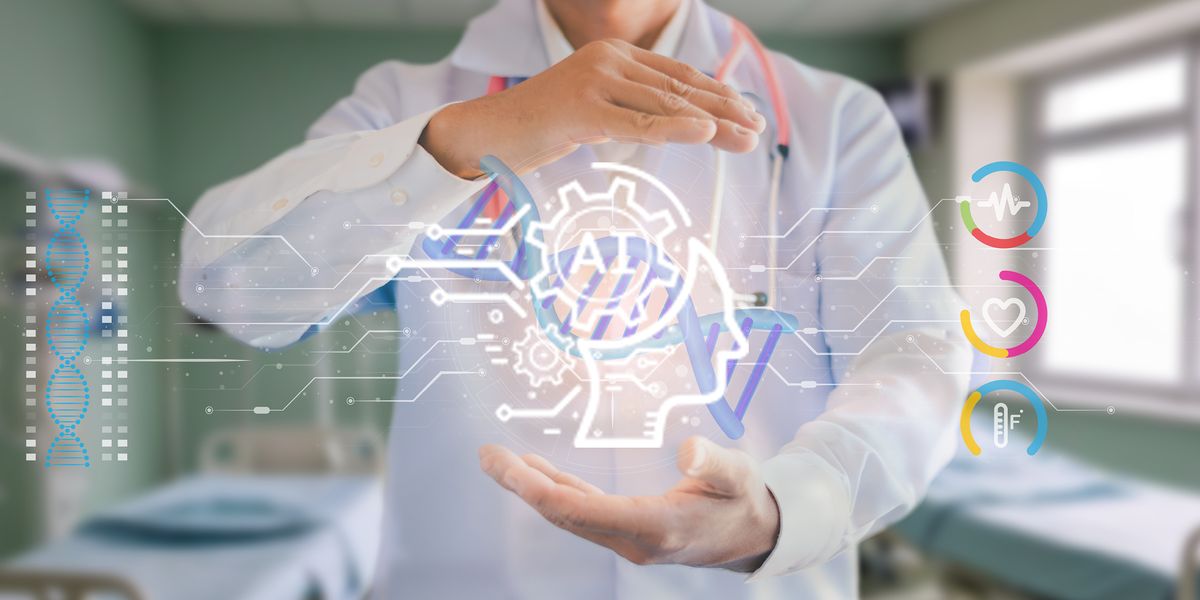
Despite their advantages, AI-powered diagnostics also present challenges that must be carefully managed. One major concern involves balancing innovation with patient safety. Healthcare providers must ensure that AI models are trained on accurate data, validated across diverse populations, and monitored for potential biases.
There is also the tradeoff between automation and clinical oversight. While AI-driven diagnostics can improve accuracy, they should not replace human expertise. Clinicians must remain involved throughout the diagnostic process to interpret AI recommendations, consider context, and personalize patient care.
Additionally, integrating AI tools into existing healthcare systems can be complex. Hospitals must evaluate the cost of implementation, the availability of technical support, and the training required for medical staff. These factors have a significant impact on the success of AI-driven diagnostics in real-world settings.
Ethical and Regulatory Considerations
The rise of AI-powered diagnostics raises important ethical considerations. Patient privacy, data security, and algorithmic transparency are central concerns. Healthcare institutions must adopt strong data governance policies to ensure that sensitive medical information is protected.
Regulatory agencies are also developing guidelines to ensure that AI tools meet rigorous standards for accuracy, safety, and reliability. As AI-driven diagnostics continue to evolve, regulators will need to evaluate both technological performance and ethical implications to maintain trust in these systems.
Healthcare organizations must also consider how AI affects patient perceptions. Clear communication about how AI-powered diagnostics are used is essential for maintaining transparency and building patient confidence.
Benefits of AI-Powered Diagnostics for Patients
Patients benefit significantly from the integration of AI-powered diagnostics into healthcare systems. Faster diagnoses lead to earlier treatment, which increases the likelihood of successful outcomes. AI tools also reduce the need for unnecessary tests by providing more precise evaluations.
For patients living in remote or underserved areas, AI-powered diagnostics help bridge gaps in care by enabling remote analysis and telemedicine support. This promotes greater access to high-quality healthcare regardless of geographic location.
By reducing errors and offering data-backed insights, AI-driven diagnostics empower patients to make informed decisions about their health. Improved communication between clinicians and patients is also possible when diagnostic information is clear, evidence-based, and supported by advanced technology.
Challenges in Implementing AI-Powered Diagnostics
Implementing AI-powered diagnostics requires overcoming several challenges, including:
Data Quality
AI systems rely heavily on large, diverse datasets. Inaccurate or biased data can affect model performance and lead to misdiagnosis.
Technical Infrastructure
Hospitals and clinics must invest in hardware, software, and cybersecurity systems capable of supporting AI integration.
Workforce Training
Healthcare professionals must understand how to use AI-driven diagnostics effectively and how to interpret AI-generated insights.
Cost Considerations
While AI technologies offer long-term cost savings, upfront investment may be significant.
Legal and Liability Issues
Determining responsibility in the event of diagnostic errors involving AI remains complex.
Addressing these challenges is essential for ensuring that AI-driven diagnostics operate safely and effectively across healthcare environments.
The Future of Healthcare with AI-Powered Diagnostics
AI-driven diagnostics will continue to evolve as technology advances. Future systems are expected to incorporate more sophisticated data models, including real-time environmental data, social determinants of health, and behavioral patterns. This holistic view will enable even more accurate predictions and personalized treatment plans.
Integration with robotics, nanotechnology, and advanced imaging systems will further enhance diagnostic precision. AI-powered diagnostics may soon assist in automated surgeries, predictive disease modeling, and population health management.
As the global demand for efficient, affordable healthcare grows, AI-driven diagnostics will play an increasingly vital role in improving patient outcomes, reducing costs, and enhancing the overall quality of care.
Final Thoughts
AI-powered diagnostics represent a transformative shift in the healthcare landscape, offering unprecedented opportunities to improve diagnostic accuracy, efficiency, and patient care. While challenges remain—such as ensuring data quality, addressing ethical concerns, and balancing automation with human oversight—these tools are revolutionizing how medical professionals approach diagnosis and treatment planning.
By embracing AI-powered diagnostics, healthcare organizations can deliver more precise, timely, and personalized care. The integration of AI technologies will continue to expand, shaping the future of healthcare and enhancing the well-being of patients worldwide.