Cashierless store technology is rapidly redefining how consumers shop, how retailers operate, and how the modern retail ecosystem functions. As retail tech evolves, cashierless store technology is becoming one of the most influential innovations shaping customer expectations and business efficiency. In the first paragraph of this article, the goal is to help readers understand why cashierless store technology is not just a trend but a transformative solution for the industry. Retailers worldwide are examining how cashierless store technology can optimize in-store experiences, cut operational costs, and improve overall customer satisfaction.
In the second paragraph, it becomes clear that cashierless store technology is more than simply replacing human cashiers. It is an integrated system of sensors, artificial intelligence, data analytics, mobile applications, and automation tools that work together. The growing adoption of cashierless store technology across supermarkets, convenience stores, and specialty retail illustrates a major shift in expectations—customers want speed, convenience, and frictionless experiences. Retailers must therefore assess how cashierless store technology fits into their long-term digital transformation plans.
The third paragraph must also emphasize that cashierless store technology impacts not only operations but also the strategic direction of retail businesses. This technology empowers companies to gather real-time insights about consumer behavior, improve shelf management, reduce shrinkage, and streamline workforce allocation. As cashierless store technology becomes more accessible, retailers who delay adopting it may find themselves at a competitive disadvantage. Understanding its capabilities and challenges is essential for future-ready retail strategies.
Understanding Cashierless Store Technology
Cashierless store technology refers to systems that enable customers to enter a store, pick up the products they want, and leave without going through a traditional checkout process. Instead of barcode scanning or cashier interactions, sophisticated technologies track customer movements, identify selected products, and automatically charge their accounts. This innovation drastically reduces waiting times and enhances shopping convenience.
The core technologies behind cashierless stores often include computer vision, machine learning algorithms, shelf sensors, RFID tags, mobile payment systems, and cloud-based analytics. These elements work together to detect which products are removed or returned to shelves, identify customers, and generate accurate transaction records.
How Cashierless Systems Work
Cashierless store technology typically begins with customer authentication at the entry point. Customers scan a mobile app or digital ID to enter the store. From that moment, built-in cameras and sensors track their movements. Each item picked is associated with the customer’s virtual cart. When the customer leaves, the system automatically processes the payment through a digital account.
Though this process appears seamless, it is the result of multiple algorithms analyzing thousands of data points in real time. The accuracy of cashierless store technology depends on how well the system can differentiate between customers, identify products, and respond to unusual scenarios such as product returns, item sharing among customers, or crowded aisles.
Key Benefits of Cashierless Store Technology
One of the most significant advantages of cashierless stores is the elimination of checkout lines. Long queues are considered one of the major pain points in traditional shopping. With cashierless systems, consumers can shop faster and retailers can improve customer satisfaction.
Another major benefit is operational efficiency. By automating checkout, retailers can reassign employees to tasks requiring human judgment—such as customer service, restocking, or inventory management. This helps create a more efficient store environment.
Cashierless store technology also enhances accuracy. Traditional checkout processes involve human error, such as incorrect scans or mispriced items. Automation greatly reduces these mistakes.
Furthermore, cashierless systems generate valuable data insights. Retailers can better understand shopping patterns, peak traffic times, dwell times, and product popularity. These insights inform smarter decisions regarding merchandising, pricing strategies, and inventory control.
Tradeoffs Associated With Cashierless Store Technology
While cashierless store technology offers many advantages, there are also tradeoffs to consider. The first tradeoff is cost. Implementing a cashierless system requires significant investments in hardware, software, training, and maintenance. Smaller retailers may struggle to justify this investment without a clear return.
Another tradeoff involves customer privacy. As cashierless systems rely heavily on video monitoring and data tracking, consumers may have concerns about how their information is stored and utilized. Retailers must balance technological advancement with transparent data practices to maintain customer trust.
Additionally, cashierless store technology requires a highly controlled environment to function accurately. Stores with unpredictable layouts, inconsistent shelf placement, or complex product types may face difficulties achieving reliable tracking. This creates an ongoing challenge for retailers aiming for seamless implementation across various store formats.
Challenges in Adopting Cashierless Store Technology
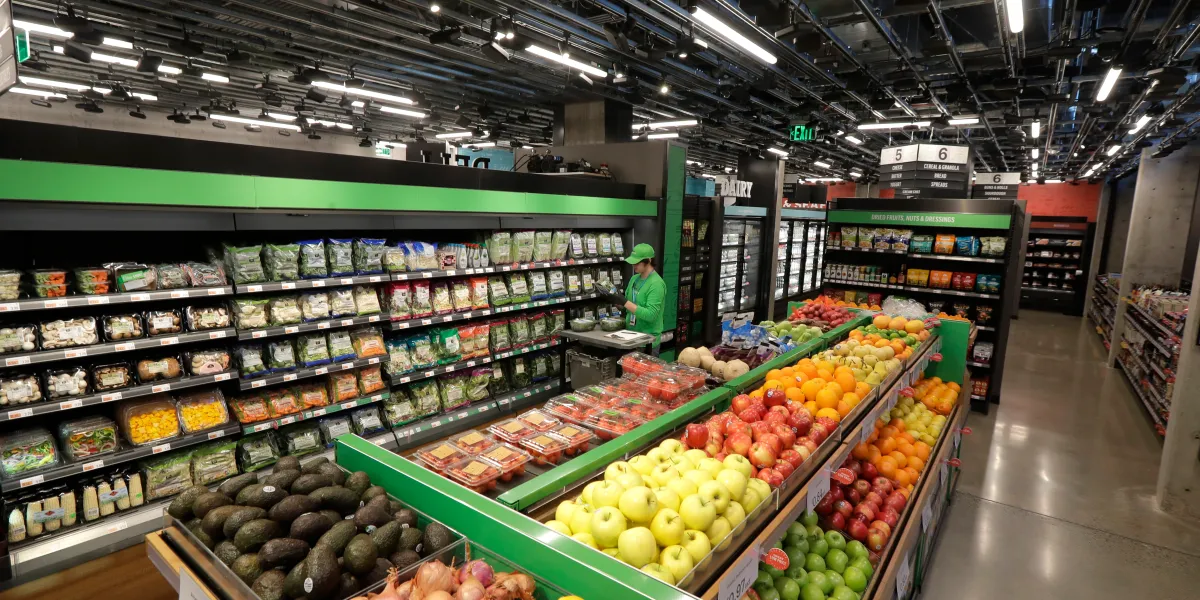
Adopting cashierless technology demands substantial infrastructural adjustments. Stores may need to redesign layouts, update shelves, install advanced sensors, and integrate software platforms. The complexity of integrating these components means that implementation timelines can be lengthy.
Cybersecurity is another challenge. As more retail systems move online and rely on cloud-based platforms, the risk of data breaches increases. Retailers must invest in strong cybersecurity practices to safeguard financial data and consumer information.
Another challenge lies in system maintenance. Cashierless systems require constant monitoring, updates, and fine-tuning to ensure accuracy. Technical issues or sensor malfunctions can disrupt operations, leading to customer dissatisfaction.
Workforce implications must also be addressed. While cashierless technology reduces the need for cashiers, it does not eliminate the need for human workers. Employees must be retrained for new roles, such as customer assistance, inventory support, or system monitoring. Retailers must manage this transition thoughtfully to maintain staff morale and productivity.
Impact of Cashierless Stores on Retail Strategy
The adoption of cashierless store technology has a significant impact on long-term retail strategy. Businesses must evaluate how automation aligns with their brand identity, customer expectations, and competitive positioning.
For instance, retailers aiming to provide high-touch, personalized customer service may take a hybrid approach by integrating customer support roles rather than fully automating the experience. On the other hand, convenience-driven retailers such as small format grocery stores or fuel-adjacent shops may benefit greatly from full automation.
Cashierless systems also influence supply chain strategies. Because the technology collects detailed data on product movement, retailers can optimize restocking processes and reduce overstock or stockouts. This data-driven approach enhances supply chain transparency.
Enhancing Customer Experience Through Automation
Customer experience is at the heart of cashierless technology. When implemented correctly, it allows shoppers to move freely through a store without interruptions or delays. Customers can enter, select products, and exit quickly—an appealing process for busy individuals or those seeking contactless shopping experiences.
More importantly, automation does not necessarily eliminate customer interactions. Instead, it shifts staff responsibilities to more meaningful roles such as providing product assistance, answering questions, or handling complex customer needs. This balance of automation and human service can create a more welcoming environment.
Sustainability and Efficiency Considerations
Cashierless store technology contributes to sustainability efforts by optimizing resource allocation. The detailed data collected helps retailers better understand product demand, which can reduce waste. Automated inventory systems can also support more efficient logistics planning.
However, sustainability tradeoffs also exist. High-tech sensors, cameras, and devices require energy and frequent maintenance. Retailers must consider how to balance technological advancement with environmental responsibility.
The Future of Cashierless Store Technology
The future of cashierless shopping is promising. As artificial intelligence becomes more sophisticated, systems will become faster, more accurate, and more cost-effective. Emerging technologies such as generative AI, robotics, and smart pushcarts will further enhance the shopping experience.
Retailers may also adopt hybrid models where some areas use cashierless systems while others offer traditional checkout. This approach gives customers flexibility and accommodates varying comfort levels with automation.
The global market for cashierless technology is expected to grow significantly in the coming years as more retailers recognize its long-term benefits. Increased competition will likely drive down costs, making the technology more accessible for mid-sized and small retailers.
Conclusion
Cashierless store technology represents a major milestone in retail innovation. Its ability to transform customer experiences, streamline operations, and generate actionable data makes it an invaluable asset for modern retailers. However, like all technologies, it comes with challenges—including privacy concerns, high initial costs, and complex implementation requirements.
Retailers must carefully balance these tradeoffs and consider how cashierless store technology aligns with their strategic goals. When implemented thoughtfully, this technology can position businesses at the forefront of convenience, efficiency, and innovation. As consumer expectations continue to evolve, cashierless systems will likely become a defining feature of the future retail landscape.