

Expanding into international markets has become one of the most effective strategies for online businesses, and cross-border e-commerce solutions are at the heart of this transformation. As global digital adoption accelerates, companies of all sizes are discovering that the right cross-border e-commerce solutions can open new revenue opportunities, increase brand visibility, and reduce dependency on saturated domestic markets. For any business looking to scale globally, understanding the value of cross-border e-commerce solutions is essential.
In today’s competitive digital landscape, the demand for seamless global shopping experiences continues to grow. That’s why businesses exploring cross-border e-commerce solutions must carefully evaluate the operational, logistical, and regulatory components associated with international trade. Choosing the right strategy involves balancing cost, customer experience, compliance requirements, and technological infrastructure to build a sustainable global presence.
At the same time, the success of cross-border e-commerce solutions relies heavily on a strong foundation of market research, customer insights, and cultural awareness. These factors help businesses create tailored experiences for diverse international audiences. As companies navigate this complex territory, they must consider how each decision impacts long-term global performance and customer satisfaction.
Understanding Cross-Border E-Commerce
Cross-border e-commerce refers to the process of selling goods or services online to customers in foreign countries. It connects merchants to buyers beyond geographic boundaries, enabling international transactions through digital platforms. As more consumers shop online, the role of cross-border e-commerce solutions becomes increasingly important, helping businesses handle localization, payments, logistics, compliance, and customer support across different markets.
The market for international e-commerce continues to expand. Consumers seek unique products, competitive prices, and convenient delivery options from global sellers. Businesses that leverage cross-border e-commerce solutions gain access to these high-demand markets without investing in physical stores or regional offices. This digital-first approach reduces overhead costs while enabling global visibility.
Why Businesses Are Turning to Cross-Border E-Commerce
The shift toward international expansion is driven by several key factors. First, global demand for products across categories—such as fashion, electronics, beauty, and home goods—continues to rise. Second, customers now expect access to global brands, competitive pricing, and fast international shipping. Third, businesses face increasing pressure to innovate and diversify revenue sources in a digitally driven economy.
Cross-border e-commerce solutions help address these needs. By using specialized tools and platforms, companies can simplify international tax compliance, enhance global payment options, manage cross-border logistics, and deliver localized customer experiences. These capabilities allow even small and medium-sized enterprises (SMEs) to compete with global brands.
However, the decision to adopt cross-border e-commerce solutions involves analyzing tradeoffs, including balancing cost efficiency against customer expectations, or optimizing shipping speed without inflating operational expenses. Understanding these tradeoffs is essential for long-term success.
Key Factors That Impact Cross-Border E-Commerce Solutions
Implementing global e-commerce strategies requires careful attention to several critical factors. Each of these plays an important role in shaping the customer experience and determining business profitability.
Market Research and Consumer Insights
Before entering a new market, businesses must understand local consumer behavior, preferences, pricing expectations, and competitive landscapes. Cultural nuances matter. A product successful in one region may not resonate in another. Cross-border e-commerce solutions often include analytics tools to help businesses identify high-potential markets and customer segments.
Localization and Language
Localization goes beyond translation. It includes adapting web content, marketing messages, product descriptions, and checkout processes to suit local expectations. Inadequate localization can lead to confusion, abandoned carts, or distrust. Effective cross-border e-commerce solutions offer language support, region-specific content, and localized marketing automation.
Multi-Currency and International Payments
Customers expect secure, flexible, and familiar payment methods. Supporting local payment gateways builds trust and increases conversions. This is why modern cross-border e-commerce solutions integrate global payment processors, fraud detection systems, and multi-currency options. They also handle currency fluctuations and offer transparent pricing.
International Compliance and Regulations
Every country has its own import regulations, taxes, duties, and documentation requirements. Failure to comply can result in delays, penalties, or failed deliveries. Businesses rely on cross-border e-commerce solutions that automate tax calculations, customs declarations, and tariff classifications. These tools help reduce risk and ensure smooth cross-border trade.
Logistics, Fulfillment, and Shipping
Shipping times, delivery options, and fulfillment methods significantly influence the customer experience. Businesses must choose between centralized warehouses, regional fulfillment centers, or third-party logistics partners. Cross-border e-commerce solutions often provide carrier integration, shipping rate optimization, and real-time tracking to streamline logistics.
Customer Support for Global Shoppers
Providing multilingual and region-specific customer service is essential. Customers may have questions about returns, warranties, sizing, or delivery times. Modern global marketplace solutions include AI-driven chat support, ticketing systems, and global customer service workflows.
The Tradeoffs in Implementing Cross-Border E-Commerce
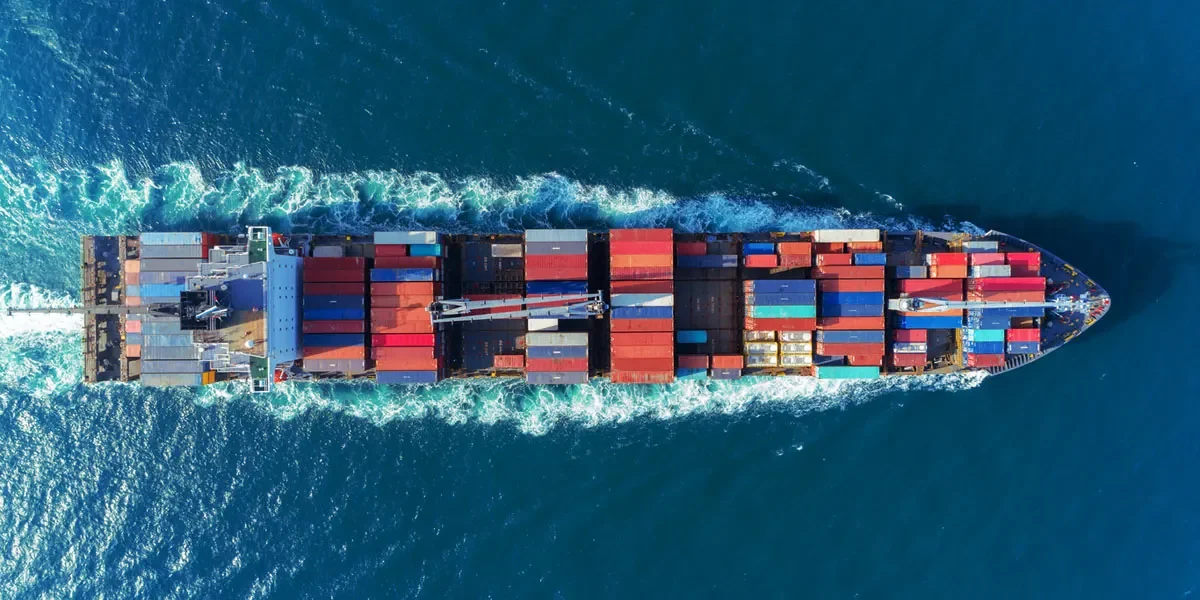
Expanding globally requires balancing opportunities with operational complexities. For example:
- Shipping speed vs. cost
Faster shipping improves customer satisfaction but increases expenses. Businesses must find sustainable solutions, such as hybrid shipping models or regional warehouses. - Localization effort vs. scalability
Full localization is resource-intensive. Some companies start with scaled-down localization for initial market entry, then expand customization gradually. - Compliance rigor vs. agility
Strict compliance ensures smooth operations but may slow market entry. Relying on automated tools helps maintain compliance without sacrificing speed. - Technology investment vs. ROI
Advanced cross-border platforms deliver long-term benefits but require upfront investment. Businesses must weigh initial costs against potential global sales growth.
These tradeoffs highlight the importance of strategic planning. Effective global marketplace solutions offer ways to balance these factors without compromising customer satisfaction or profitability.
The Role of Technology in Cross-Border E-Commerce
Technology is the backbone of international online sales. Businesses use various digital tools to support seamless global operations:
- E-commerce platforms with cross-border capabilities
Shopify, Magento, BigCommerce, and others provide built-in localization and payment features. - AI-driven analytics
These help identify market opportunities, optimize pricing, and predict demand across regions. - Customs automation tools
They simplify documentation and reduce the risk of customs delays. - Warehouse management systems (WMS)
These support global inventory tracking and order fulfillment. - API integrations
They enable communication between payment gateways, shipping carriers, tax engines, and CRM systems.
The effectiveness of global marketplace solutions depends on how well these technologies integrate to create a unified global commerce ecosystem.
Challenges Businesses Face in Cross-Border E-Commerce
Despite its benefits, cross-border expansion comes with challenges. These include:
Complex International Regulations
Each country has different requirements, which makes global expansion difficult for businesses unfamiliar with international laws.
Currency Fluctuations
Exchange rate changes impact pricing strategies and profit margins.
Shipping Limitations
High shipping costs or long delivery times may discourage international customers.
Managing Returns
International returns require additional logistics and cost management strategies.
Cultural Differences
Incorrect assumptions about customer behavior may lead to ineffective marketing or product positioning.
Cross-border e-commerce solutions help address many of these challenges, but businesses must also invest in continuous improvement and market awareness.
Benefits of Using Cross-Border E-Commerce Solutions
While there are challenges, the potential rewards are significant. Businesses implementing comprehensive global marketplace solutions enjoy:
- Expanded Global Reach
Access to millions of new customers worldwide. - Diversified Revenue Streams
Protection against economic fluctuations in home markets. - Higher Brand Visibility
Opportunity to build international reputation and recognition. - Competitive Advantage
Early entry into emerging markets creates long-term growth potential. - Scalable Business Growth
Automated tools make it easier to enter multiple markets efficiently.
The right solutions can transform a local business into a global brand.
Strategies to Optimize Your Cross-Border E-Commerce Approach
Achieving global success requires a structured strategy. Businesses should:
Conduct Thorough Market Analysis
Use data-driven insights to choose high-demand regions.
Localize Customer Experience
Personalize content, language, and product offerings.
Offer Flexible Payment Options
Support popular payment methods in each country.
Strengthen Supply Chain Efficiency
Partner with reliable international carriers.
Maintain Transparent Pricing
Include taxes, duties, and shipping costs upfront.
Provide Strong Customer Support
Offer multi-language assistance and clear return policies.
These strategies enhance customer trust and increase conversions in global markets.
The Future of Cross-Border E-Commerce
The future promises continued growth. Emerging technologies like AI, blockchain, and advanced logistics networks will further transform global trade. At the same time, consumers are becoming more comfortable buying from international sellers, and businesses are increasingly adopting sophisticated global marketplace solutions.
Sustainability will also play a larger role in shaping global commerce. Companies will need to consider environmental impact, sustainable packaging, and energy-efficient logistics. The brands that balance efficiency with sustainability will gain a competitive edge in the evolving market.
Conclusion
Cross-border e-commerce has become an essential pathway for businesses seeking global reach, diversified revenue, and long-term growth. With the help of advanced global marketplace solutions, companies can overcome challenges related to logistics, compliance, localization, and customer experience. While international expansion involves tradeoffs and complexities, the potential rewards are significant.
Businesses that invest in the right technology, conduct thorough market research, and tailor their strategies to regional consumer needs will be well-positioned to compete on a global scale. As the digital economy continues to evolve, Global marketplace solutions will play an increasingly important role in shaping the future of global retail.