

The logistics and supply chain industry is undergoing a transformative shift, powered by artificial intelligence (AI). With the increasing complexity of global trade, customer demands for faster deliveries, and the pressure to reduce operational costs, businesses are turning to AI for supply chain optimization. In this article, we’ll explore how AI is revolutionizing supply chains, from predictive analytics to real-time decision-making. We’ll also dive into the key factors that impact AI supply chain optimization, the challenges companies face, and why integrating AI is essential for staying competitive in the future.
The Role of AI in Supply Chain Optimization
In today’s fast-paced business environment, traditional supply chain methods are often too slow, inefficient, and prone to errors. AI supply chain optimization offers a solution to these challenges by leveraging data-driven insights and automating complex tasks. AI technologies, such as machine learning, predictive analytics, and natural language processing, are being used to streamline operations, predict demand, and improve decision-making.
One of the primary benefits of AI in supply chain optimization is the ability to predict demand accurately. Through the analysis of historical data, AI systems can forecast future trends, helping businesses adjust their inventory levels, plan for seasonal fluctuations, and avoid stockouts. This leads to reduced operational costs and improved customer satisfaction, as businesses can meet demand without overstocking or understocking.
Furthermore, AI can optimize transportation routes, reducing fuel consumption, and delivery times. By using real-time data, AI systems can calculate the most efficient delivery paths, accounting for traffic patterns, weather conditions, and other external factors. This not only improves delivery efficiency but also reduces the environmental impact of logistics operations.
How AI Improves Inventory Management
Effective inventory management is crucial for the success of any supply chain. With the help of AI, businesses can automate inventory tracking, ensuring that stock levels are constantly updated in real-time. AI algorithms can also identify slow-moving products, helping companies make data-driven decisions about which products to prioritize or discontinue.
In addition to real-time tracking, AI can assist in optimizing reorder points and stock replenishment schedules. By considering factors like lead times, supplier reliability, and demand patterns, AI helps ensure that businesses don’t run out of stock while minimizing excess inventory. This leads to a more efficient supply chain, better cash flow, and improved customer satisfaction due to fewer stockouts and faster deliveries.
AI and Demand Forecasting
Forecasting demand is one of the most challenging aspects of supply chain management. Traditional methods often rely on historical sales data and basic statistical techniques, which can be inaccurate and fail to account for market volatility or unforeseen events. AI, on the other hand, can process vast amounts of data from multiple sources, including customer behavior, social media trends, and global events, to make highly accurate demand predictions.
Machine learning algorithms, in particular, are well-suited for demand forecasting because they can learn from past data and adapt to changing conditions. By constantly refining predictions based on new data, AI systems can provide businesses with more accurate forecasts, enabling them to make better decisions regarding production schedules, procurement, and inventory management.
AI-driven demand forecasting also allows businesses to respond more quickly to changes in consumer preferences or external disruptions, such as supply chain delays or geopolitical events. This flexibility is vital in maintaining a competitive edge in today’s dynamic market environment.
Supply Chain Visibility and Transparency
One of the biggest challenges faced by supply chain managers is a lack of visibility into the entire supply chain. With multiple stakeholders involved, including suppliers, manufacturers, distributors, and retailers, it can be difficult to track the movement of goods and identify potential bottlenecks. AI supply chain optimization addresses this issue by providing end-to-end visibility through real-time data collection and analysis.
By integrating AI with Internet of Things (IoT) devices and sensors, businesses can track shipments, monitor inventory levels, and detect potential issues in real-time. This visibility allows companies to take proactive measures to resolve problems before they escalate, reducing delays and improving customer satisfaction.
Moreover, AI can provide valuable insights into supplier performance, helping businesses identify the most reliable partners and streamline their sourcing decisions. With AI’s ability to analyze historical data, companies can make more informed decisions about where to source materials and how to manage supplier relationships.
Automation and Robotics in Logistics
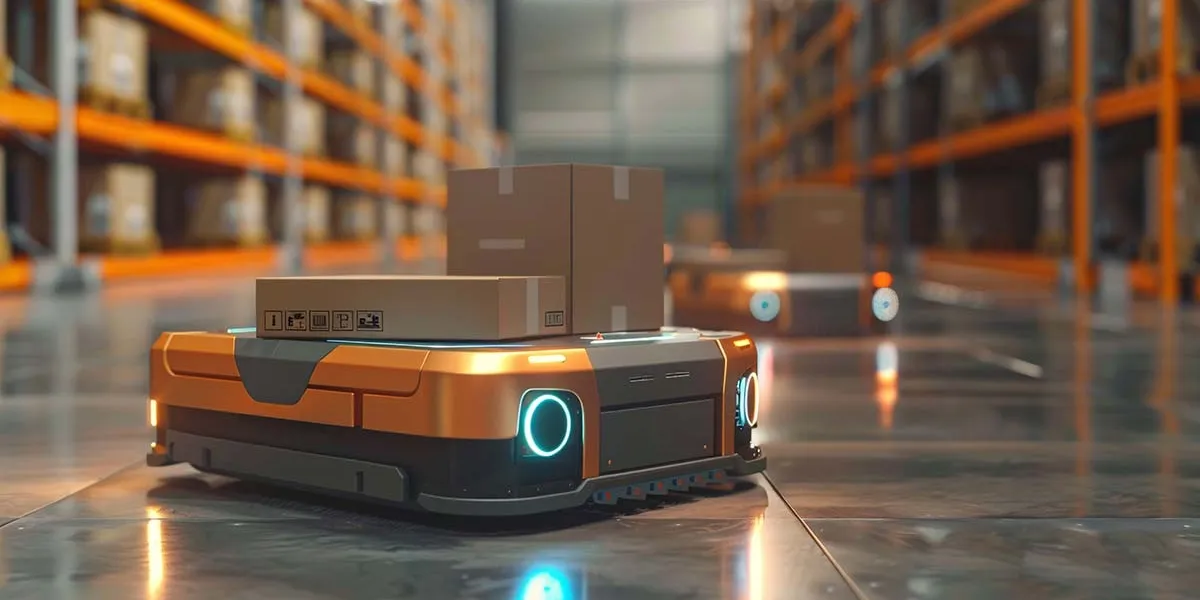
Automation is a key aspect of AI supply chain optimization, particularly in the warehouse and fulfillment processes. AI-powered robots and autonomous vehicles are revolutionizing logistics by performing tasks such as sorting, picking, and packing faster and more accurately than human workers. These robots can operate 24/7, significantly increasing productivity while reducing labor costs.
In warehouses, AI-driven automation systems can optimize storage layouts and manage inventory in real-time. AI algorithms can also prioritize orders based on factors such as delivery deadlines, product availability, and customer preferences. This allows companies to fulfill orders more efficiently, reducing lead times and improving overall service levels.
Autonomous delivery vehicles, such as drones and self-driving trucks, are also becoming increasingly popular for last-mile delivery. These vehicles use AI to navigate traffic, avoid obstacles, and deliver packages more quickly and at a lower cost compared to traditional delivery methods. Although widespread adoption of autonomous vehicles is still in its early stages, they hold great promise for the future of logistics and supply chain optimization.
Challenges in Implementing AI for Supply Chain Optimization
While AI holds immense potential for supply chain optimization, implementing AI solutions is not without its challenges. One of the primary hurdles is the need for high-quality data. AI systems rely on vast amounts of data to generate accurate predictions and optimize decision-making. However, many businesses struggle with data silos, inconsistent data formats, and incomplete data, which can hinder the effectiveness of AI solutions.
To overcome this challenge, companies need to invest in robust data management systems and ensure that data is collected, stored, and processed in a consistent manner. This often involves upgrading existing IT infrastructure and ensuring that employees are trained to work with new technologies.
Another challenge is the integration of AI with legacy systems. Many businesses still rely on outdated software and processes, which can make it difficult to incorporate AI tools effectively. In such cases, companies may need to invest in system upgrades or partner with technology providers to ensure a smooth transition to AI-powered supply chain operations.
Finally, there are concerns about the impact of AI on the workforce. While AI can automate many tasks and improve operational efficiency, it may also lead to job displacement for certain roles. Companies need to consider the social implications of AI adoption and explore ways to upskill their workforce to handle more strategic and value-added tasks.
The Future of AI in Supply Chain Optimization
The future of AI in supply chain optimization is bright. As technology continues to evolve, AI will become even more sophisticated, enabling businesses to achieve greater levels of efficiency and agility. AI will also play a critical role in addressing some of the most pressing challenges facing the supply chain industry, such as sustainability and resilience.
For example, AI can help businesses reduce their carbon footprint by optimizing delivery routes, reducing waste in manufacturing processes, and improving the sustainability of supply chain operations. Additionally, AI-powered supply chains will be better equipped to withstand disruptions, such as natural disasters or pandemics, by enabling businesses to quickly adapt to changing conditions and ensure the continuity of operations.
Moreover, as AI becomes more accessible, even small and medium-sized enterprises (SMEs) will be able to take advantage of its benefits. AI tools are becoming increasingly affordable and scalable, making them accessible to businesses of all sizes. This democratization of AI will level the playing field, allowing smaller companies to compete with larger players by optimizing their supply chains and improving their operational efficiency.
Conclusion
AI supply chain optimization is not just a trend; it is the future of logistics. By leveraging AI technologies like machine learning, predictive analytics, and automation, businesses can streamline operations, reduce costs, and enhance customer satisfaction. While the journey to AI adoption may come with challenges, the benefits far outweigh the obstacles. As AI continues to evolve, it will reshape the logistics industry, making supply chains smarter, faster, and more efficient. Companies that embrace AI-powered supply chain optimization will be better equipped to meet the demands of the modern marketplace and secure a competitive advantage for years to come.