
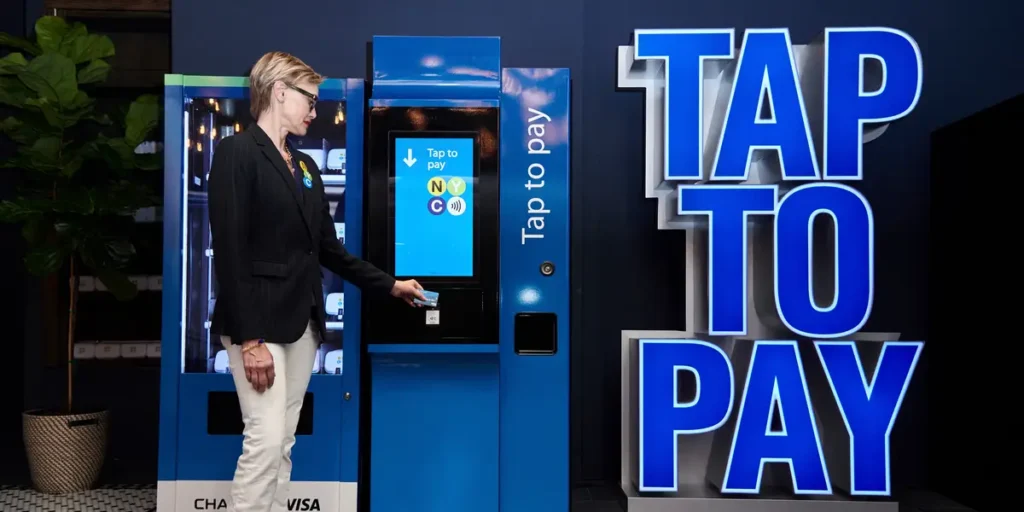
The checkout experience has evolved significantly over the last decade. Traditional payment methods such as cash or card swipes are gradually being replaced by more advanced technologies that prioritize speed, security, and convenience. One such breakthrough in payment technology is the contactless payment system. These systems, which allow customers to make payments with a simple tap of their card or mobile device, are revolutionizing the retail landscape by streamlining the checkout process and offering enhanced security. In this article, we will explore the key factors that impact contactless payment systems, discuss the benefits they offer to both businesses and consumers, and highlight the challenges involved in their widespread adoption.
The Rise of Contactless Payment Systems
In recent years, contactless payment systems have become an integral part of the payment ecosystem. These systems use Near Field Communication (NFC) technology, which enables data exchange between a payment terminal and a payment device, such as a contactless card or smartphone, without requiring physical contact i.e contactless payment systems. This method of payment has grown increasingly popular due to its speed, security features, and convenience.
The convenience of contactless payments lies in their ability to complete transactions almost instantaneously. With just a tap, consumers can pay for their purchases without the need to enter a PIN or sign a receipt, reducing wait times at checkout and enhancing the overall shopping experience. This is especially valuable in high-volume retail environments, such as grocery stores and fast-food chains, where long lines and slow payment methods can be a significant point of frustration for customers.
How Contactless Payments Work
At the core of contactless payment systems is NFC technology. When a consumer taps their card or mobile device near a payment terminal, the NFC chip sends encrypted payment information to the terminal via radio waves. The terminal then processes the payment, typically within seconds. This technology eliminates the need for physical contact between the consumer’s device and the payment terminal, making it more hygienic and faster than traditional swipe or chip-based payments.
Mobile wallets, such as Apple Pay, Google Pay, and Samsung Pay, are among the most popular ways for consumers to make contactless payments. These digital wallets store payment information securely on smartphones and can be used at a wide range of retailers that support NFC technology. When a consumer taps their phone, the payment information is transmitted securely, and the transaction is authorized. This adds an extra layer of security compared to traditional magnetic stripe cards, which are more susceptible to fraud.
Benefits of Contactless Payment Systems
The adoption of contactless payment systems offers numerous advantages for both businesses and consumers. Below are some of the key benefits:
- Speed and Convenience
For both customers and retailers, the primary benefit of contactless payments is the speed at which transactions can be completed. Traditional methods, like cash or chip-and-PIN payments, often involve longer processing times and require more interaction. With contactless systems, payments are processed in a matter of seconds, reducing the time spent at checkout. This is especially beneficial during peak shopping hours when long queues can lead to customer frustration.
- Enhanced Security
Security is one of the most critical concerns for consumers and businesses alike when it comes to payment systems. Contactless payment systems offer several security features that make them more secure than traditional methods. One of the key advantages is the use of tokenization, which replaces sensitive card details with a unique identifier (token) for each transaction. This means that even if a payment terminal is compromised, the actual card information is never exposed.
Additionally, contactless payments often employ biometric authentication, such as fingerprint or facial recognition, to further safeguard transactions. This reduces the likelihood of unauthorized access, making it a safer option compared to traditional methods where PINs or signatures can be easily stolen or forged.
- Improved Customer Experience
In today’s competitive retail environment, customer experience plays a crucial role in driving sales and fostering customer loyalty. By offering faster, more convenient checkout options, retailers can improve the overall shopping experience. This not only boosts customer satisfaction but also increases the likelihood of repeat business. When customers know they can quickly and securely complete their transactions using contactless payment methods, they are more likely to return to stores that offer these payment options.
- Reduced Physical Contact
In a post-pandemic world, the desire for minimal physical contact has become a significant factor in purchasing decisions. Contactless payment systems cater to this need by allowing customers to complete transactions without physically interacting with payment terminals or handling cash. This helps reduce the spread of germs and provides a more hygienic alternative to traditional payment methods, which may require touching buttons, signing receipts, or exchanging physical money.
- Cost Savings for Retailers
Although there is an initial investment required to implement contactless payment systems, over time, businesses can realize cost savings. By speeding up transactions, retailers can handle more customers in less time, increasing their capacity to process sales. Furthermore, with the added security features of contactless payments, the risk of fraud is reduced, potentially saving businesses significant amounts in chargeback fees and fraud prevention efforts.
Challenges in Implementing Contactless Payment Systems

Despite the many benefits, the adoption of contactless payment systems does come with some challenges. For businesses looking to implement these systems, it is important to weigh the trade-offs and consider potential obstacles.
- Initial Setup Costs
One of the primary barriers to adopting contactless payment systems is the cost of upgrading existing payment infrastructure. Retailers must invest in NFC-enabled payment terminals, which can be expensive for small businesses. Additionally, staff training and integration with existing point-of-sale (POS) systems may require further investments of time and resources. However, many businesses find that the long-term benefits of faster checkout times and reduced fraud outweigh the initial costs.
- Consumer Adoption Rates
While contactless payments have become increasingly popular, not all consumers are familiar with or comfortable using them. Some customers may still prefer traditional payment methods, especially older generations who may be less familiar with mobile wallets or NFC-enabled cards. To encourage widespread adoption, businesses must educate customers about the benefits of contactless payments and offer incentives to try these faster, more secure methods.
- Transaction Limits
In many regions, contactless payments are subject to transaction limits, typically ranging from $25 to $100 per purchase. This limit is in place to prevent fraud in the event that a card is lost or stolen. However, some customers may find these limits restrictive, particularly when making larger purchases. Although higher transaction limits are becoming more common in some regions, businesses may need to consider alternative payment methods for larger transactions.
- Security Concerns
While contactless payments are generally secure, there are still some concerns about the potential for fraud, particularly in the case of lost or stolen cards. Contactless cards and mobile wallets rely on encryption and tokenization to protect payment information, but there have been instances where fraudsters have used specialized devices to “skim” data from contactless cards. To mitigate these risks, card issuers and retailers are continuously improving security protocols, such as implementing additional layers of authentication and offering consumers the ability to disable contactless payment functionality on their cards.
Future of Contactless Payments
As technology continues to evolve, the future of contactless payment systems looks promising. In addition to smartphones and contactless cards, wearable devices such as smartwatches and fitness trackers are expected to become increasingly popular as payment tools. The rise of digital currencies and blockchain technology may also play a role in the future of contactless payments, offering even greater security and convenience.
Retailers that embrace contactless payments will likely continue to see improvements in operational efficiency, customer satisfaction, and profitability. However, the key to widespread adoption lies in the ongoing education of both consumers and businesses, as well as the continuous development of secure, innovative payment solutions.
Conclusion
Contactless payment systems are transforming the retail landscape, offering faster, more secure, and more convenient checkout options for consumers and businesses alike. These systems leverage NFC technology to streamline transactions, improve security, and enhance customer experience. While the transition to contactless payments does present challenges, such as initial setup costs and consumer adoption rates, the long-term benefits make it a worthwhile investment for many businesses. As technology continues to evolve, the future of contactless payments looks bright, promising even more innovative solutions that will continue to shape the way we shop and pay.